FPGA · Embedded Systems · Acoustic Signal Processing · 2026
AURORA
Acoustic UAV Reconnaissance & Orientation for Rescue Assistance
UAV-assisted disaster response that localizes human distress calls in low-visibility environments.
<100 ms
Latency
2nd Runner-Up
Result
2026
Year
Overview
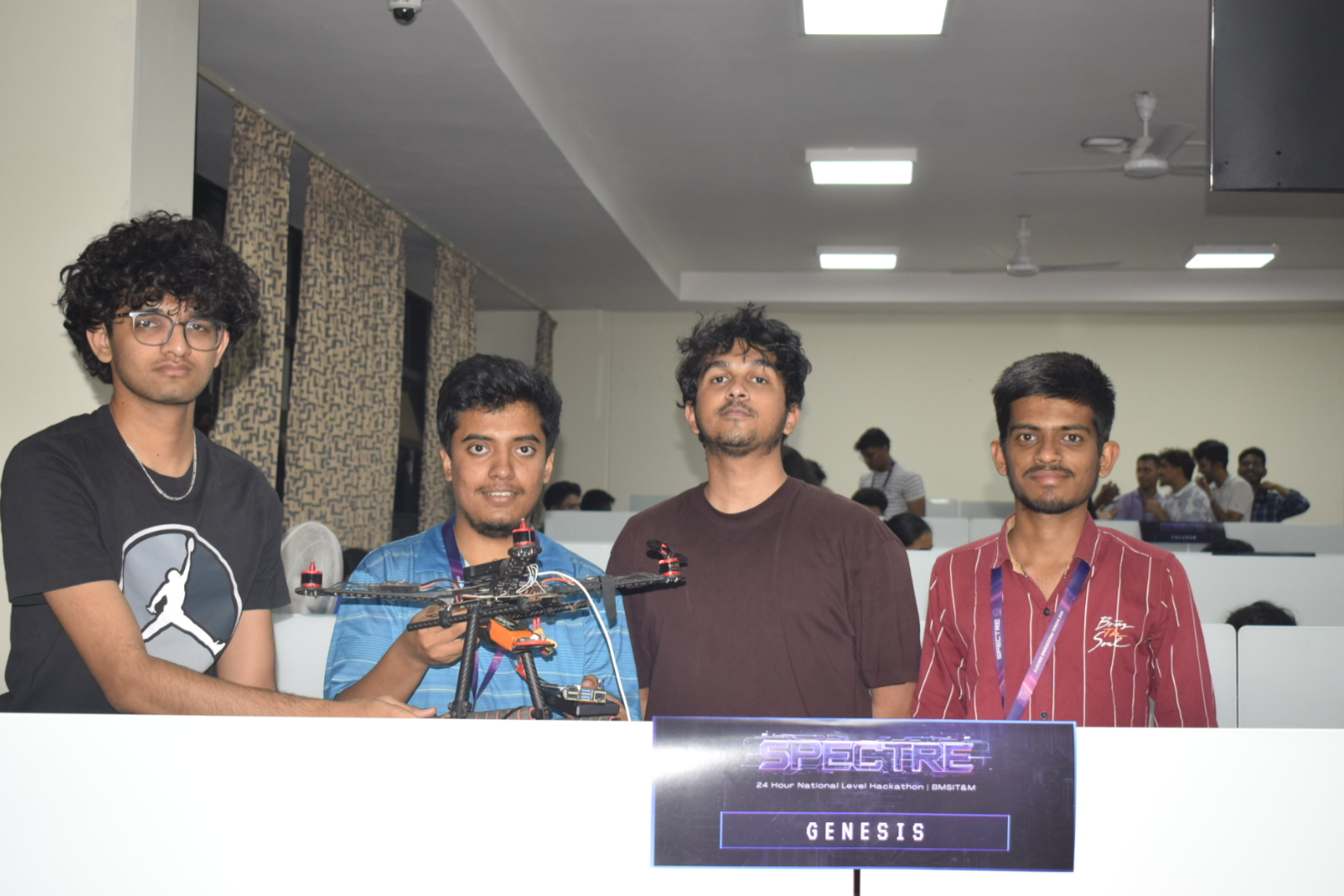
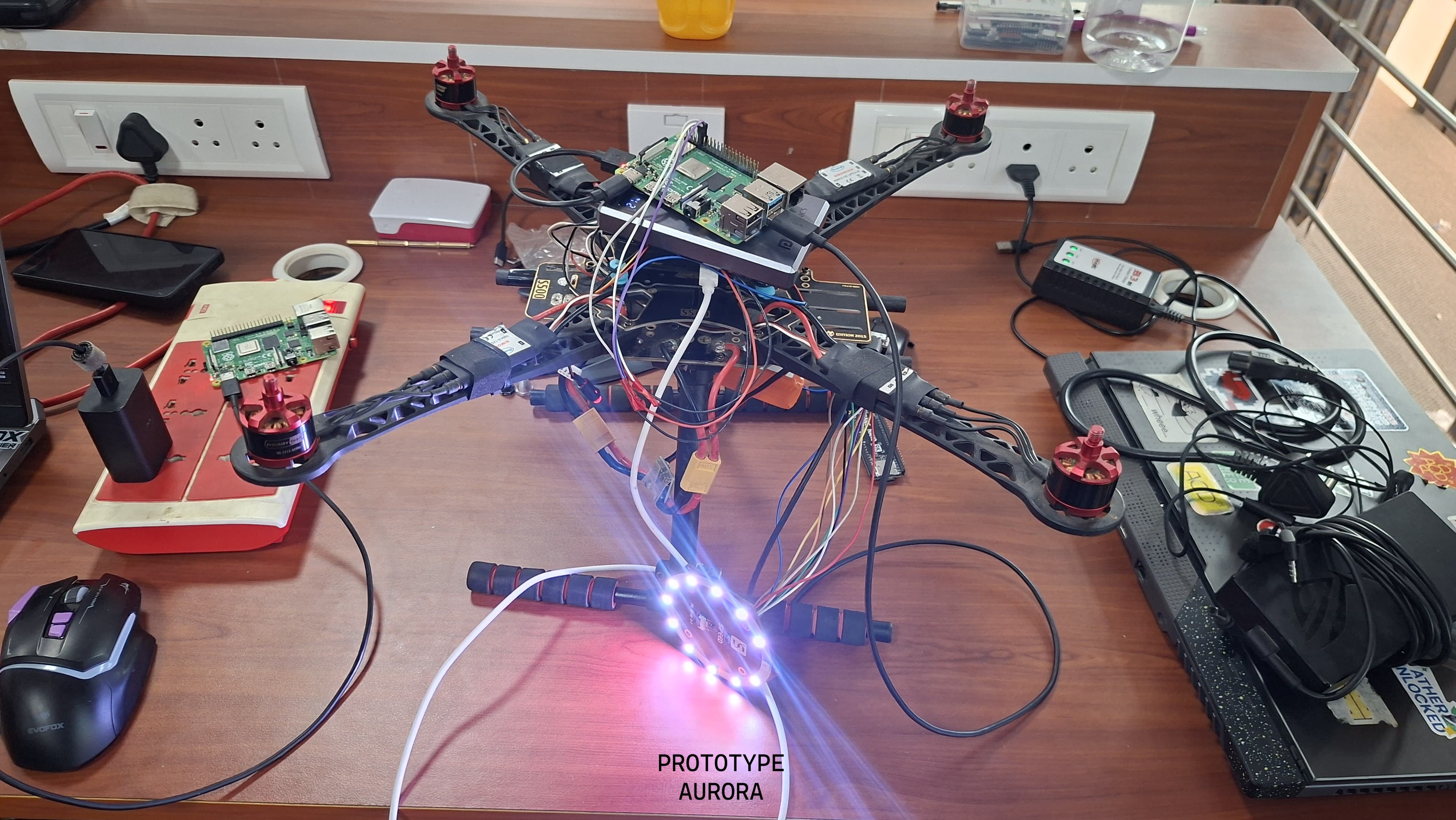
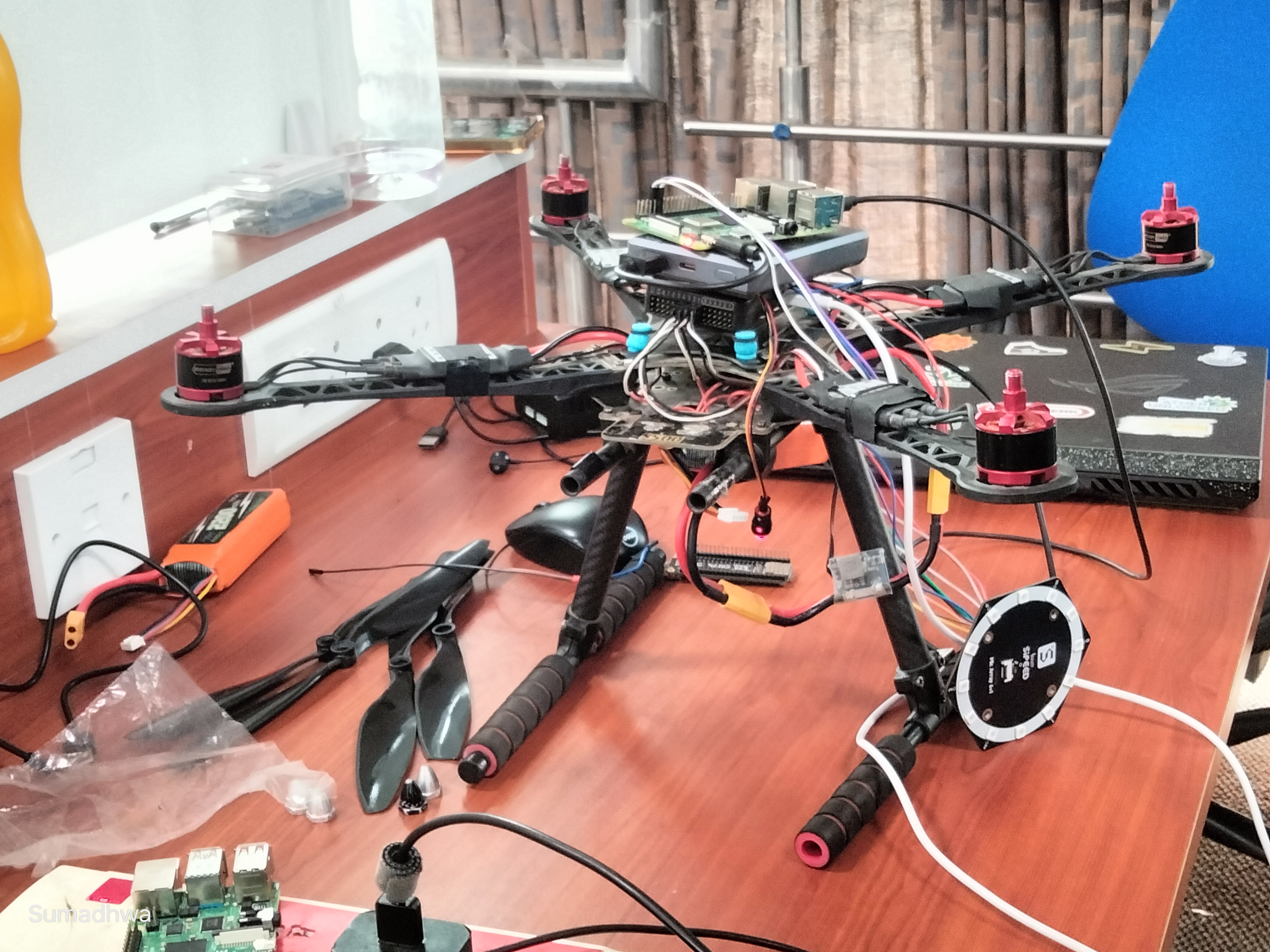
AURORA is a UAV-mounted acoustic sensing system designed for search-and-rescue scenarios where conventional vision-based approaches become unreliable due to smoke, dust, darkness, or collapsed structures. Instead of relying solely on cameras or thermal imaging, the system uses a synchronized microphone array to capture spatial audio and estimate the direction of human distress signals in real time.
The project combines FPGA-assisted preprocessing, embedded computing, beamforming, and sound source localization techniques to transform raw multi-channel audio into actionable navigation guidance, enabling faster and more reliable acoustic-assisted rescue operations.
Problem
In disaster environments such as collapsed buildings, smoke-filled spaces, or low-visibility conditions, vision-based search systems often become ineffective. Human voices and distress sounds, however, remain valuable indicators of survivor locations. AURORA addresses this challenge by enabling UAVs to detect, localize, and estimate the direction of human-generated sounds using acoustic signal processing, allowing rescue teams to navigate more effectively in environments where traditional imaging techniques fall short.
Process
Mic array capture
A multi-microphone array mounted on the UAV captures spatial audio across all channels in tight sync — timing alignment across channels is the foundation everything downstream depends on, since DOA/TDOA estimation is only as accurate as the sample-level sync between microphones.
FPGA preprocessing
Multi-channel audio acquisition and early-stage filtering are handled through FPGA-based preprocessing to support low-latency signal handling before higher-level processing on the embedded processor. This hardware-software partitioning improves overall responsiveness while reducing the computational load on the embedded system.
DOA / TDOA estimation
Direction-of-Arrival (DOA) and Time-Difference-of-Arrival (TDOA) techniques are applied to estimate the direction of incoming sound sources. Combining both approaches improves localization accuracy while maintaining real-time performance.
Beamforming & noise rejection
Beamforming and frequency-selective filtering enhance human speech while suppressing UAV motor noise and surrounding environmental interference, improving the reliability of acoustic localization.
Navigation command generation
The estimated source direction is translated into UAV orientation guidance — a heading a rescue operator (or, eventually, an autonomous flight controller) can act on directly, rather than a raw angle number that still needs interpretation.
Core Concepts
Key Challenges Solved